
The automotive industry is not just about engines, fuel efficiency or mechanical performance anymore. Today, it is fast transforming into a software-defined and AI-driven ecosystem where intelligent systems are powering everything—from manufacturing to customer experience.
It is Artificial Intelligence (AI) that fuels this transformation. From autonomous driving, predictive maintenance, smart infotainment to robotics process automation in manufacturing, AI is transforming the entire automotive value chain.
As per a recent report from MarketsandMarkets, the global automotive AI market value is predicted to surge from $18.83 billion by 2025 to reach $38.45 billion in 2030, growing at a CAGR of 15.3% between the two years. This explosive growth also illustrates how critical AI has become to automotive companies as they try to gain a competitive edge.
What is even more interesting is that North America is the leading portion of this market. According to an in-depth report by industry analysis group Grand View Research, the region is the largest share of the growing global automotive AI market at more than 35% with innovation led by the U.S.
What does this mean?
It means the US has become an international home for AI and ML automotive companies, and not just the technologies themselves, but also implies a world scale of deployment.
But that game change isn’t AI; it’s Agentic AI Services.
Agentic AI is different from traditional AI because Agentic AI remembers past tasks, evolves over time and makes its own decisions. This feature, in particular, is a must-have for automotive systems that have to run in a real-time environment like autonomous driving or smart mobility solutions.
Top automotive innovation AI development companies in the US
So here are the best Agentic AI companies in the US, leading automotive AI transformation.
1. Agentic AI Services by Ramam Tech – Taking the Lead
Website: https://ramamtech.com/
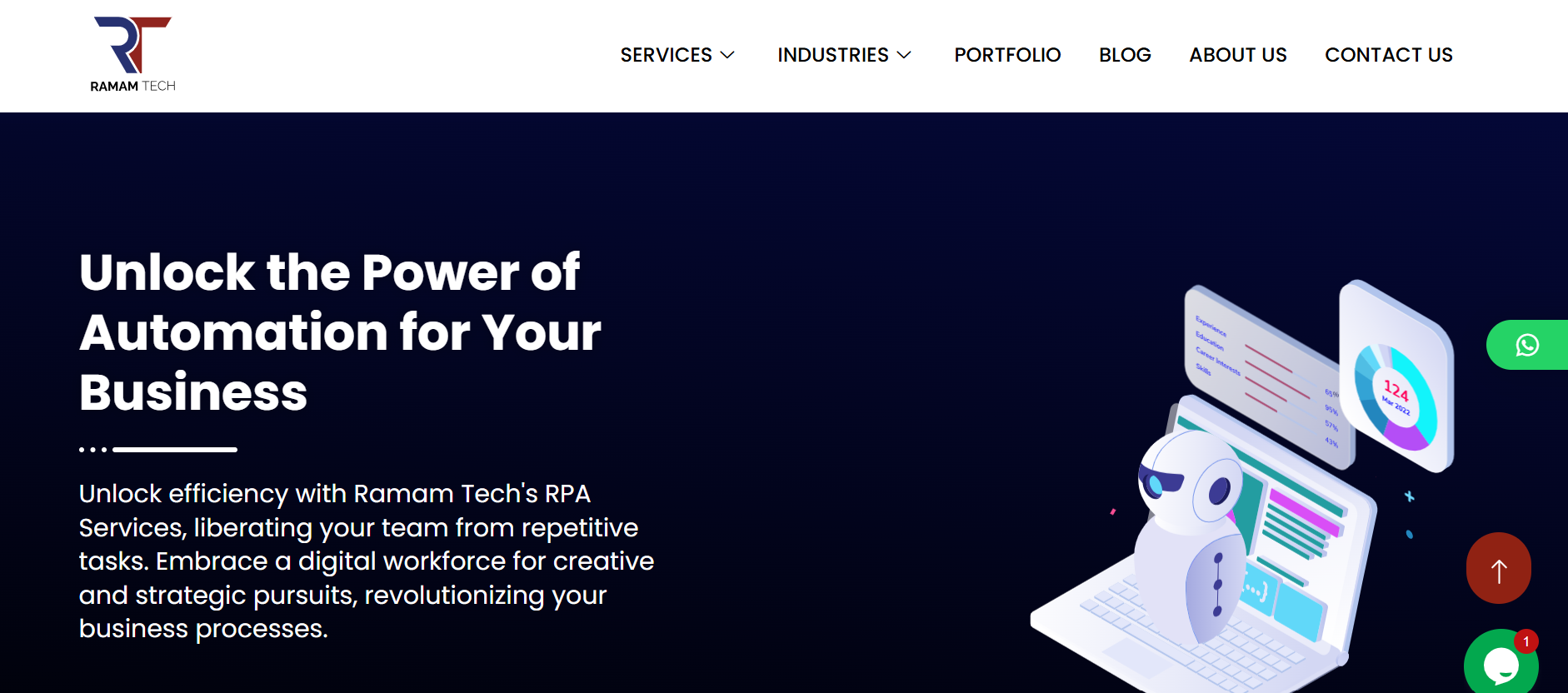
Ramam Tech, one of the AI ML automotive companies USA, is at the forefront of innovation.
Ramam Tech is uniquely positioned as it enables Agentic AI Services rather than just Automation.
Their solutions are designed to:
- Learn from past operations
- Adapt to changing conditions
- Execute tasks autonomously
To put it simply, Agentic AI keeps track of previous and ongoing tasks to improve itself continuously, which makes it most suited for automotive applications like the following:
- Autonomous driving systems
- Fleet management
- Smart mobility platforms
Ramam Tech also specialises in:
- AI-powered RPA services
- Intelligent automation for manufacturing
- Predictive analytics for vehicles
This makes it one of the best Agentic AI companies to follow for automotive innovation.
2. NVIDIA – Powering AI Infrastructure
Website: https://www.nvidia.com/
NVIDIA isn’t a car maker, but it fuels the brains of many new rides.
Its DRIVE platform provides:
- High-performance AI computing
- Real-time data processing
- Autonomous driving capabilities
NVIDIA is an automotive AI ecosystem that drives global deployments at the edge according to market insights.
A lot of automotive companies have NVIDIA as their core AI partner.
3. Tesla – Redefining Autonomous Driving
Website: https://www.tesla.com/
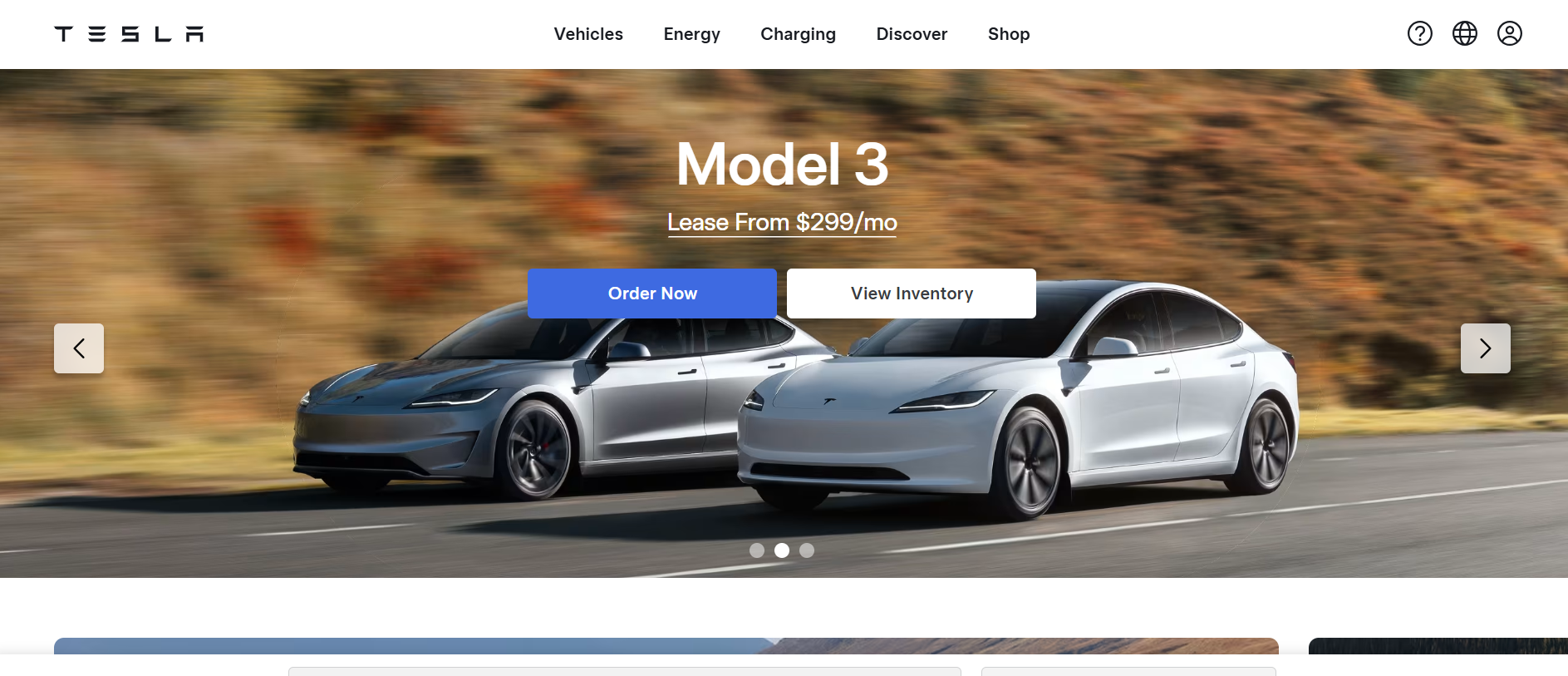
One of the world’s most well-known names in AI-driven automotive innovation is Tesla.
Tesla’s approach is distinct because it:
- Builds its own AI chips
- Uses real-world driving data
- Or Keep Getting Better at Its Full Self-Driving System
Tesla’s an archetype of Agentic AI’s potential progression over time through training on extensive datasets.
4. Waymo – Pioneering Autonomous Mobility
Website: https://waymo.com/
Waymo is about the world of autonomous mobility.
It operates:
- Robotaxi services
- Autonomous vehicle fleets
- AI simulation platforms
The strength of Waymo is in its combination:
- Real-world driving data
- AI simulations
- Advanced machine learning models
5. Intel (Mobileye) – Vision-Based AI Systems
Website: https://www.intel.com/
IT segments Intel, through its Mobileye division:
- Computer vision systems
- ADAS technologies
- Mapping and perception
Mobileye’s EyeQ chips are found in many vehicles for:
- Lane detection
- Collision avoidance
- Driver assistance
6. Qualcomm – Edge AI Innovation
Website: https://www.qualcomm.com/
Several companies offer AI solutions alongside their platforms, with Qualcomm doing so by means of its Snapdragon Ride platform.
This platform enables:
- Real-time decision-making
- Energy-efficient AI processing
- Scalable autonomous systems
7. Microsoft – Integration of Cloud and AI
Website: https://www.microsoft.com/

One way that Microsoft is pivotal in automotive AI is specifically its Azure platform. It basically provides:
- Cloud infrastructure
- Data analytics
- AI model training
Microsoft basically provides AI and machine learning services at scale without compromising the quality and efficiency to many automotive companies.
8. Amazon (AWS & Zoox) – Data and Mobility
Website: https://aws.amazon.com/
Amazon has many sectors where it dominates, but also contributes through:
- AWS cloud services
- AI training infrastructure
- Zoox autonomous vehicle division
Cloud platforms such as AWS play a most vital role in managing the huge volume of data and real world based information that connected vehicles create.
Why AI Is Becoming the Backbone of Automotive Innovation
So, to understand how leading US AI companies are changing the automotive industry, we must examine the core drivers of AI adoption.
1. Autonomous Driving Is Redefining Mobility
Autonomous driving is one of the most significant breakthroughs in the entire automotive innovation. AI enables vehicles to:
- Detect surroundings using computer vision
- Use machine learning to make real-time decisions
- Navigate complex traffic environments
Some of the leading future advances in this field are companies such as Tesla and Waymo, which have been training their AI systems and models on billions of miles of real-world & simulated driving experiences.
This is where Agentic AI Services take over, and why these systems can:
- Learn from past driving behaviour
- Improve their decision-making continuously with much higher efficiency
- Adapt to unpredictable road conditions and also situations
2. AI-Powered RPA Services in Manufacturing
AI isn’t just changing vehicles — it’s revolutionising how they’re made.
Modern-day automotive factories are now heavily dependent on:
- Robotics process automation in manufacturing
- AI-powered quality inspection systems
- Use of smart intelligent bots for the assembly line
Based on insights from the industry, AI production automation helps increase efficiency and reduce errors.
This is how AI-powered RPA services fit in. These systems:
- Automate repetitive manufacturing tasks
- Perform real-time analysis of production data
- Optimize workflows dynamically
A large number of leading companies partner with an RPA service provider now to introduce scalable automation solutions.
3. Predictive Maintenance and Smart Analytics
One more huge transformation is predictive maintenance. AI helps automotive companies do more than respond to failures:
- Predict component breakdowns
- Schedule maintenance proactively
- Reduce downtime and costs
These are driven by AI and machine learning services, which ingest enormous amounts of data created from connected vehicles
4. Smart Mobility and Connected Ecosystems
This isn’t just about cars, this is about smart mobility ecosystems in the future. AI basically enables:
- Vehicle-to-vehicle (V2V) communication
- Vehicle-to-infrastructure (V2I) integration
- Real-time traffic optimization
There are now entire ecosystems being created by companies allowing vehicles to interact with:
- Smart cities
- IoT devices
- Cloud platforms
So, this is why heavy cloud AI investments are underway in many of the automotive AI companies.
How Are Leading US AI Companies Transforming the Automotive Industry?
The transformation is happening on various levels:
AI in Vehicle Intelligence
Modern vehicles are evolving into intelligent systems which can:
- Learning driver preferences
- Adapting to behaviour
- Making real-time decisions
AI in Manufacturing
Factories are becoming smart production units powered by:
- AI-driven automation
- Smart intelligent bots
- Real-time analytics
AI in Customer Experience
AI helps to augment the driving experience by:
- Voice assistants
- Personalized infotainment
- Predictive navigation
AI in Data-Driven Decision Making
And automotive companies are now harnessing AI to:
- Analyse customer data
- Improve product design
- Optimize supply chains
A detailed overview by StartUs Insights divides the process into three phases: we are progressing up to the faster development phase and full-scale deployment of AI applications in ADAS, infotainment, and telematics.
What Are the Leading AI Platforms Used by US Automakers?
Anticipating this transformation, automakers are using powerful AI platforms like:
- NVIDIA DRIVE
- Qualcomm Snapdragon Ride
- Mobileye EyeQ
- Microsoft Azure AI
- AWS AI
These platforms enable:
- Autonomous driving
- Real-time analytics
- Scalable AI deployment
Combined, this technology makes up the spine of modern automotive AI companies and allows for the parts needed by smart mobility solutions.
The Future of AI in Automotive
The future of the automotive industry is electric, yes; but it’s also intelligent, autonomous and deeply connected.
AI is going to be the best operating system for cars, right from navigation systems to driver behaviour analysers. But the most exciting shift is toward Agentic AI Services, where systems do not just follow some instructions — they act on their own, learn continuously and evolve.
Over the next few years, we will see:
1. Fully Autonomous Vehicles at Scale
Pilot programs for self-driving cars will give way to drastic adoption. AI systems will:
- Process real-time environmental data
- Predict human behavior
- Make split-second decisions
This is where Agentic AI that retains information from previous tasks comes to the rescue, allowing vehicles to get better with each approaching mile.
2. Rise of Software-Defined Vehicles (SDVs)
Because cars are becoming software platforms on wheels. Future cars will not boast hardware upgrades:
- Over-the-air (OTA) updates
- AI model improvements
- Feature upgrades via software
This change is creating demand for AI and machine learning services throughout the automotive lifecycle.
3. Smart Mobility Ecosystems
“The future is not necessarily about individual vehicles, it’s about connected transportation systems.
AI will enable:
- Vehicle-to-vehicle communication
- Real-time traffic optimization
- Integration with smart cities
Companies focused onn smart mobility solutions will dominate this space.
4. AI + Edge Computing Integration
With edge computing, AI will get closer to the vehicle for:
- Faster decision-making
- Reduced latency
- Enhanced safety
The NVIDIA DRIVE, Qualcomm Snapdragon Ride platforms are already enabling this transition.
Why Automotive Firms Are Putting Big Dollars in AI
Automakers are pouring billions into AI — and understandably so.
1. Improved Safety and Reduced Accidents
Artificial intelligence systems can identify risks quicker than people can, which severely lowers the risk of road accidents.
2. Cost Reduction Through Automation
Robotics process automation in manufacturing can allow businesses to:
- Reduce labor costs
- Minimize errors
- Increase production efficiency
This is the reason AI driven RPA services are gaining critical importance among contemporary automobile manufacturing addresses.
3. Faster Innovation Cycles
In the fast innovation cycle, AI allows for fast prototyping, testing and also deployment. Companies are able to:
- Simulate driving scenarios
- Test new features virtually
- Launch updates quickly
4. Enhanced Customer Experience
Nowadays, ai is being used in customer care service, which diving end-to-end automation in these sectors, AI enables:
- Personalized driving experiences
- Voice-controlled assistants
- Predictive navigation systems
5. Competitive Advantage
A study by fortune business insights estimates the automotive AI industry is booming as competitors vie to offer innovative features.
In straight forward line:
The companies that genuinely start using AI and its applications now will lead their industries—those who delay could lose.
The Importance of Selecting the Right AI Partner
Partnership with the right AI solution is one of the most important business decisions automotive companies can make.
Amidst the plethora of options for automotive AI companies and the best Agentic AI companies, it’s important for businesses to thoroughly vet their partners.
Key Factors to Consider:
1. Expertise in Agentic AI Services
When looking for your partner for your business to integrate Agentic AI, they must have the experience building systems where:
- Agentic AI remembers past tasks
- Systems adapt and improve automatically without much human intervention
2. Industry Experience
Automotive AI is complex. So, choose a partner with:
- Proven automotive use cases or has years of experience in the sector
- Experience in mobility solutions
3. Scalability and Flexibility
Your AI should scale as your business does.
4. Integration Capabilities
The partner you choose, must be capable to integrate the existing infrastructure combine AI strength with:
- Existing systems
- IoT devices
- Cloud platforms
5. End-to-End Services
Your best RPA service provider or AI partner will provide you with:
- Development
- Deployment
- Maintenance
- Optimization
What sets apart companies like Ramam Tech is their amalgamation of:
- AI and machine learning services
- Intelligent automation
- Automotive-focused solutions
Challenges and Considerations in Automotive AI
Despite huge opportunities, AI also brings major challenges and risks, some of these are discussed below.
1. Data Privacy and Security
Cars produce huge volumes of sensitive data and real world perception. So , ensuring that:
- Data protection
- Secure transmission
- Compliance with regulations
is critical and treated with high accuracy governance.
2. Regulatory and Legal Barriers
Some of the legal questions raised with autonomous driving and AI decision-making, such as:
- Who is responsible in case of accidents?
- How should AI decisions be regulated?
Many countries’ governments are still developing clear policies and AI automotive standards.
3. High Implementation Costs
As AI is the use cases and relevance in different industries , therefore developing AI systems requires:
- Advanced infrastructure
- Skilled talent along with experience
- Continuous updates
Many companies choose to outsource AI-powered RPA services providers.
4. Safety and Reliability Concerns
AI systems need to function with 95-100% accuracy. Even small errors in:
- Object detection
- Decision-making
can lead to serious consequences as it is connected with the real world applications.
5. Integration Complexity
Incorporating AI applications into established automotive systems can be much difficult for the following reasons:
- Legacy infrastructure
- Compatibility issues
- Data silos
Industry experts with Precedence Research believe that in order to scale and make relevant AI adoption throughout the automotive industry, we need to combat these issues and top brains need a focus on solving them .
In-House Vs Outsourced AI Development
Outsourcing versus building in-house is one of the biggest decisions automotive companies are making is whether to build AI in-house or outsource it.
In-House AI Development
Some of the Advantages:
- Full control over technology
- Custom-built solutions
- Better data ownership
Some of the Challenges:
- High cost
- Talent shortage
- Longer development time
Outsourced AI Development
Some of the Advantages:
- Access to global expert talent
- Faster deployment
- Cost efficiency
- Scalable solutions
- Good for risk management
This is the reason why so many companies work together with:
- Best Agentic AI companies
- Specialized RPA service providers
- Companies offering AI and machine learning services
By outsourcing, companies can devote themselves to innovation while accessing outside specialists.
Conclusion: Driving Forward with AI
The automotive world is entering a new age — one not determined by horsepower, but brains.
Therefore, from autonomous driving and smart mobility solutions to AI-powered RPA services in the transportation sector and as well as intelligent manufacturing, AI is really revolutionizing every layer of the automotive value chain with an innovative way.
The rise of Agentic AI Services marks a significant leap forward. These systems:
- Remember past tasks
- Learn continuously
- Make independent decisions
And that’s what really makes them so essential to the future of transportation and automobile industry.
This transformation, through AI ML automotive companies in the USA—such as Tesla, NVIDIA, Waymo and rising innovators like Ramam Tech—is accelerating at an unprecedented pace.
And businesses at the same time have to tread carefully:
- Technology choices
- Partner selection
- Regulatory challenges
to realize the full potential of AI.
Final Thought
The question is no longer, “Should automotive companies leverage AI?
The real question is:
“How quickly can they deploy it to not fall behind?”
As if in the race to the future of mobility, AI is the ultimate driver.
FAQs
How are US AI companies changing the auto industry?
Who are the emerging AI leaders in mobility and transportation in the US?
What are the top AI tech platforms used by automakers in America?
Which companies in the USA promote smart mobility solutions?
Who are the major AI partners of automotive manufacturers in the US?