
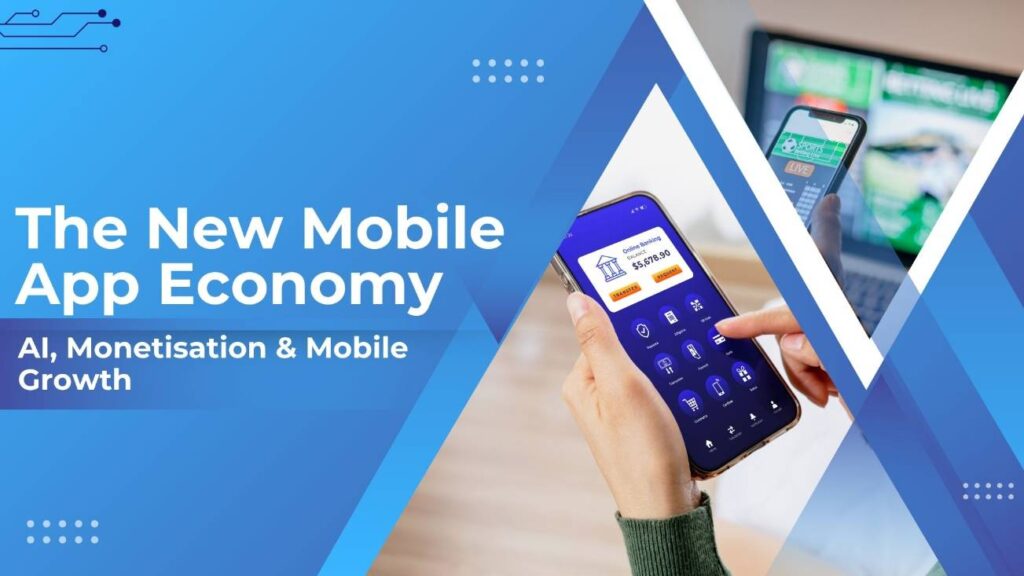
The global app industry has turned into one of the world’s fastest-growing digital economies, like really fast. Nowadays, Mobile App Development Solutions lets companies boost customer engagement, deliver services, and also push up revenue across industries such as fintech healthcare gaming, and eCommerce.
At this point the app ecosystem is way more than simple downloads plus ads, it feels more like an ongoing system. Many organizations are now aiming for AI-driven platforms and more personalised interactions, and they use hybrid monetisation models, to strengthen longer-term retention. Even foldable devices are starting to create fresh windows for inventive app experiences.
As Statista points out, mobile app revenue still keeps growing in many regions. So businesses that provide Node.js Development Services, ios app development services and android app development company solutions are helping build a smarter, more scalable mobile ecosystem overall, and not just shipping one-off apps.
The Current State of the Mobile App Market
The mobile app market is more competitive than ever, like, millions of apps are all trying to get visibility across app stores, and user retention with engagement becomes the big deal for real success. People now expect things to feel seamless, performance should be fast , and the experience should be personalised across different devices.
Because of that, cross-platform frameworks are getting more traction every month , and so are React Native UIUX Design Services , they help teams build more responsive apps with a steady, consistent user experience , not just for one device , but broadly too .
Several major trends are currently shaping the app economy:
- AI-driven personalisation
- Subscription-based services
- Cross-platform app development
- Foldable device optimisation
Businesses are also integrating intelligent automation Services and Node.js Development Services to improve scalability and support real-time mobile experiences.
Hybrid Monetisation: The New Revenue Model
One of the biggest changes in the app industry, is how hybrid monetisation apps started showing up more often. Instead of depending on one revenue source, modern apps mix a few monetisation approaches together, to boost overall profit and keep things stable over the long run. It’s kind of like a blended system , where different streams are cooperating rather than betting everything on just one thing, you know, kinda.
Which Monetisation Models Are Commonly Used in Mobile Apps?
The most popular monetisation strategies include:
- In-app advertising
- Subscription plans
- Freemium upgrades
- In-app purchases
- Affiliate marketing
Gaming, streaming, and productivity apps usually go with hybrid monetisation models, like a kind of mix-and-match thing. Nowadays, companies doing mobile app development often weave monetisation straight into the user experience, and not just as a separate step. Then they rely on AI-driven analytics, to nudge engagement upward, plus boost conversions and that whole success rate idea.
AI-Powered Transformation of Mobile Applications
Artificial intelligence is kinda reshaping the mobile ecosystem, enabling smarter yet more adaptive apps in a way that feels almost quiet but constant. With the fast growth of AI across the app development industry, those solutions help applications analyse user behavior, automate decisions and push personalised experiences in real time. It’s not just an update, it is more like a shift in how software responds to people.
What Are AI Moats in the App Development Industry?
AI moats are basically competitive edges that come from proprietary datasets, along with machine learning systems, and a good amount of automation abilities. Basically, the apps that keep learning from people, usually over time get sharper and harder for rivals to reproduce, like you know, in any clean simple way.
Common AI-powered features include:
- Recommendation engines
- AI chatbots
- Predictive analytics
- Fraud detection systems
The rise of future of mobile apps AI technologies and intelligent automation Services is helping businesses improve security, efficiency, and long-term customer engagement.
The Foldable Devices and New UI/UX Opportunities
The rise of foldable smartphones has kind of opened up this big foldable app opportunity for developers and businesses, it’s not just a small thing. Unlike traditional smartphones, foldable devices come with dynamic screen sizes and multitasking features, so apps really need more adaptive designs to keep up.
Developers who focus on React Native UIUX Design Services are now putting together a sort of responsive layouts that work smoothly both in the folded state and in the unfolded state, and honestly it has to feel natural, like it was supposed to be that way from the start, you know? It should act right on every situation, not clunky or forced.
What Are the Challenges of Designing Apps for Foldable Devices?
Designing foldable apps involves several challenges, including:
- Adaptive screen resizing
- Multi-window support
- Orientation flexibility
- Performance optimisation
- Gesture compatibility
Traditional interfaces, made for fixed screens, often struggle on foldable devices, and it kind of shows. This shift is sort of steering what comes next in mobile app development, pushing more adaptable user interface systems that can handle multitasking with less friction, it boosts engagement too, and makes the whole user experience feel better across different areas, like gaming, streaming, and productivity.
Emerging Technologies Impacting Mobile Apps
Several up and coming technologies are kind of reshaping the whole app economy, and also opening new business avenues. Not in a fully linear way, more like , things happen at once, you know.
1. 5G Connectivity
5G networks help with faster speeds, less delay, and sort of real-time app performance. That makes streaming easier, cloud gaming smoother, and AR-based applications more usable day to day.
2. Edge Computing
With edge computing , the data is handled nearer to where the end users are. So the lag gets smaller, and the apps start to feel more responsive , sort of like they are not “thinking” too far away , in a distant place.
3. Augmented Reality and Virtual Reality
AR and VR are turning things in retail, healthcare, and education. They bring immersive mobile experiences, which changes how people interact with products, lessons, and services.
4. Blockchain Integration
Blockchain-driven applications add better transparency, stronger digital ownership, and also more decentralised financial services. Basically, trust is handled differently, and it can be easier to verify.
Future of Mobile App Distribution and Stores
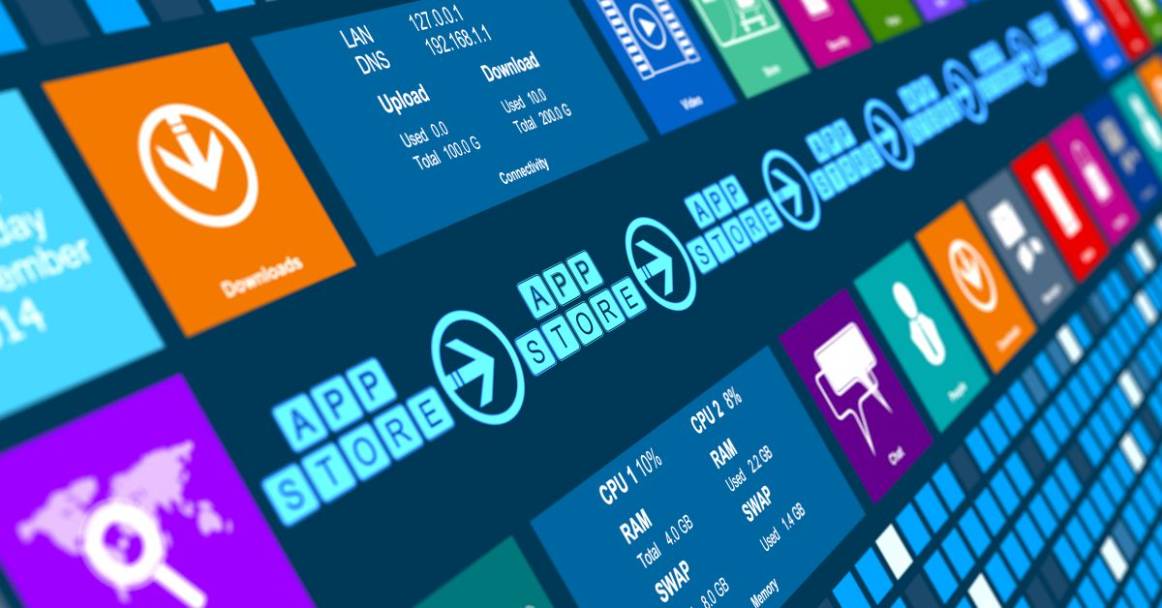
The future of app distribution is evolving really quickly, like almost all the time. Sure, the Google Play Store and the Apple App Store stay dominant, but alternative distribution models are also steadily growing, even if it feels slower than expected.
Progressive Web Apps, PWAs for short, enterprise app ecosystems, and direct installation platforms are quietly changing the way people reach those applications. At the same time, regulatory pressure is pushing for more flexible payment systems , and also for app distribution policies that are less rigid.
On top of that, AI powered recommendation engines will end up mattering more in app discovery. They can help users locate highly personalized applications, based on preferences and behavior patterns that they actually show over time.
And yeah, the expansion of future of mobile apps AI technologies will keep nudging how apps are distributed, promoted , and then monetized.
Startup Opportunities in the Mobile Ecosystem
The way the app economy is moving forward shows huge opportunities for startups and people that build ideas. There are a bunch of sectors growing pretty quickly, for example, these areas tend to stand out:
- AI productivity tools
- Health and fitness applications
- Fintech automation platforms
- Foldable-first productivity apps
- Cybersecurity mobile solutions
- Creator economy platforms
Companies putting money into AI powered mobile app creation , and building scalable infrastructure, tend to manage to do better over the long run.
There is also rising demand for businesses providing Node.js Development Services and scalable backend architectures for real-time mobile ecosystems.
Conclusion
The mobile app economy is kind of heading into a fresh phase, mostly powered by artificial intelligence, foldable devices ,and hybrid monetisation systems. Businesses that actually adapt to these changes will probably get stronger customer engagement ,plus more recurring revenue opportunities, and in the long run, real competitive edges too.
The rise of hybrid monetisation apps, AI based automation, and those foldable user experiences suggests that the industry’s future really moves past old school app models. Companies using AI for app development industry innovations, and advanced intelligent automation services ,will end up shaping the next wave of digital experiences across the wider global mobile ecosystem.
FAQs
What is the mobile app economy, basically?
Which monetisation models get used a lot in mobile apps?
What are AI moats in the app development industry?
What are the challenges of designing apps for foldable devices?
What are the latest trends in the mobile app economy?