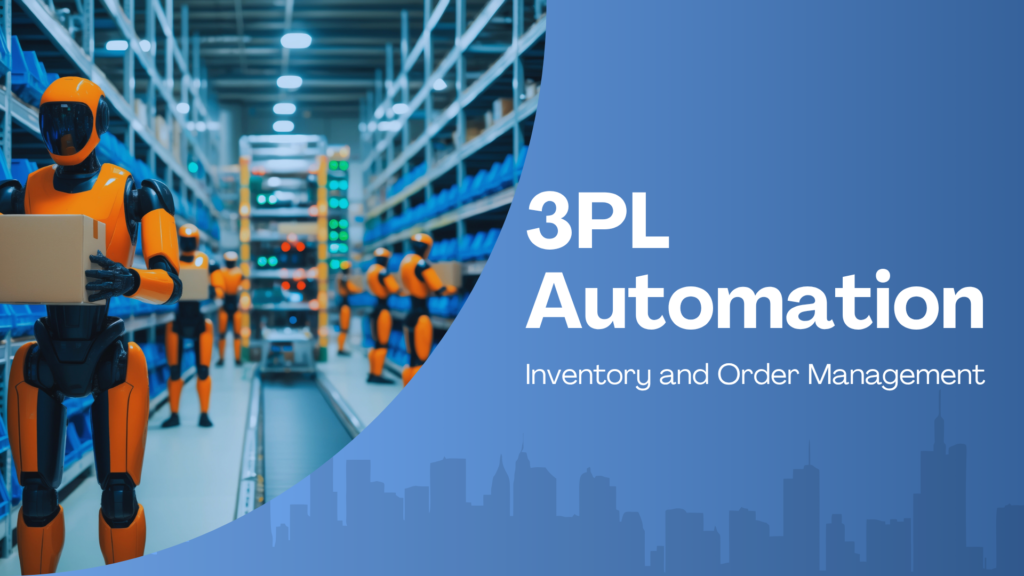

The recent advancements in technology are prompting companies across the USA to adopt automation. Technologies such as Robotic Process Automation (RPA), Business Process Automation (BPA), Artificial intelligence (AI) etc. are becoming popular for automation. All industries and sectors, be it healthcare or business, are undergoing drastic changes with Rpa Development Services.
The global Robotic Process Automation market is growing fast — adding an estimated $4.2 billion by 2024 but likely to expand to far more than $47.3 billion by the year 2033 at about a 31% (Compound Annual Growth Rate) CAGR as AI, machine learning and other technologies get absorbed into automation workflows.
Among other countries, USA shows highest adoption of RPA with maximum utilization of bots i.e. mimicking human work, in banking, financial services, healthcare and retail, by which organizations can achieve 30–50% process time reduction and 25–40% operating cost savings.
This is because RPA is constantly developing and can integrate advanced technology with the existing setup. RPA tools can mimic human labour and easily perform repetitive, rule-based tasks. RPA offers various benefits, including high Return on Investment (ROI), scalability, time-efficient and accurate operations and much more. It is recommended to study use cases and emerging trends of RPA. So as to better understand the capability of RPA for your company. RPA Development Services are inclusive of:
- Primary Consulting for a better understanding of the company and its requirements.
- Secondary Consulting for discussing implementation plans and areas that RPA can cover.
- Implementation of RPA and smooth Transition of the company
- Robust Support throughout and even after the implementation of Robotic Process Automation.
It is critical to choose the correct vendor for RPA services. The vendor determines the efficiency of the RPA. Here are the top 10 Robotic Process Automation companies in the USA:
Here are the top 10 Robotic Process Automation companies in the United States Of America:
1. [ Ramam Tech ] (https://ramamtech.com/)
- Founded: Year 2023
- Headquarters: Sheridan, Wyoming, USA
- Delivery Center: Mohali, Punjab, India
- Core Focus: RPA, AI automation, agentic workflows, software development
Ramam Tech, one of the new rising stars of the new Pedagogy of RPA, provides automation solutions, customised workflows, and AI-integrated RPA development services to mid-size and enterprise clients who find it difficult to modernise their architecture. Most vendors are one-size-fits-all, whereas Ramam Tech thrives in deep integration with embedded systems and provides seamless automation on critical business processes.
Key Services & Capabilities:
- Complete life-cycle RPA implementation from tender to ongoing maintenance
- Cloud-based RPA and hybrid automation
- Machine learning and cognitive processing are integrated into AI-powered bots
- Domain-focused services in sectors such as healthcare, finance, manufacturing, and real estate
Ramam Tech stands because it provides cost-effective RPA solutions. The mission ia to personalise automation architecture where bots are configured to align with the unique workflow logic rather than generic templates.
2. [ Appian ] (https://appian.com/)
Headquarters: McLean, VA, USA
Founded: 1999
Appian company provides unified low-code automation platforms which aggregate process discovery, automation, and monitoring into one interface. But Appian goes beyond RPA to allow businesses to quickly create digital apps that truly mirror the way the enterprise works.
Here are some of the key advantages:
- Low-code design mainly accelerates solution development
- Process mining capabilities to discover automation opportunities
- Integrates RPA, along with workflow and case management
Appian solutions are often used in the public sector, finance, and healthcare, where complex operations need to be streamlined without adding too much development work to initiatives.
3. [ Automation Anywhere ] (https://www.automationanywhere.com/)
Headquarters: San Jose, CA, USA
Founded: 2003
One of the original innovators in RPA is Automation Anywhere, the cloud-native automation platform with robust RPA plus AI-driven intelligence built directly into the core of its solutions. The architecture allows you to quickly scale automation without creating a large on-premises infrastructure.
Highlights:
- Cognitive automation of unstructured data with IQ Bot
- Designed first for the cloud to enable fast deployment and scalability
- Designed for attended and unattended automation
Market Share:
With ~18–20% share of the global RPA market, Automation Anywhere is among the top contenders.
Enterprise Use Cases:
Automation Anywhere is already deployed extensively in financial services and healthcare, helping reduce manual reporting cycles and improve compliance and operational accuracy in high-volume environments.
4. [ AutomationEdge ] (https://automationedge.com/)
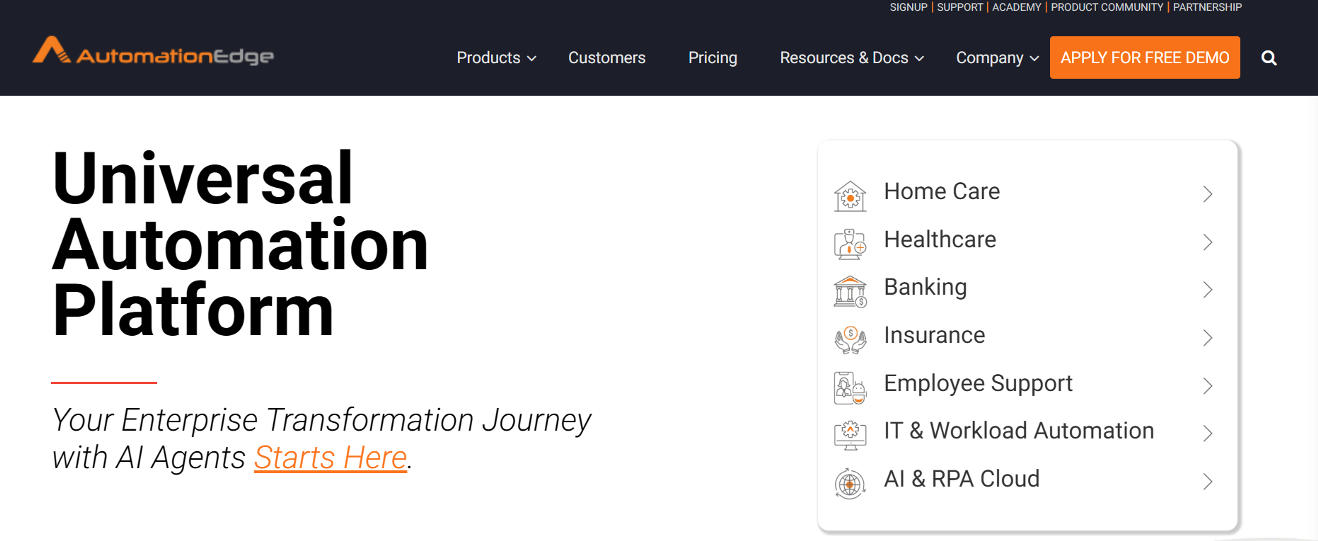
Headquarters: Global operations with a presence in the U.S.
Founded: Mid-2010s
AutomationEdge is mainly a hyperautomation company that offers passionately RPA powered by AI & machine learning, along with IT process automation as well. It basically targets more mature automation landscapes where Bots need to manage all the complex decision logic and also integrate with backend systems.
Here are some of the use cases you can consider:
- IT service automation
- Helpdesk and ticket handling
- Advanced document processing
AutomationEdge mainly targets tech-driven organisations that require automation across technical and business flows.
5. [ IBM ] (https://www.ibm.com/)
Headquarters: Armonk, NY, USA
Founded: 1911
IBM mainly utilises its entire AI and hybrid cloud portfolio to provide analytics, along with better compliance, and orchestration capabilities for Robotics process automation solutions. Its bots span legacy and modern environments, along with rendering it flexible enough for organisations those are aiming for enterprise automation at scale.
Features:
- Hybrid cloud deployment flexibility
- AI-augmented automation for smarter processing
- Integration with enterprise analytics platforms
Used in over 100 countries, IBM RPA powers finance and compliance automation for global enterprises..
6. [ Microsoft ] (https://www.microsoft.com/)
Headquarters: Redmond, WA, USA
Established: 1975 (RPA Component of Microsoft Power Platform)
Microsoft Power Automate (formerly Microsoft Flow) provides RPA along with the wider Microsoft ecosystem — integrating with Azure, Dynamics 365, Office 365, Teams and more. This integration enables automation to become possible inside enterprise-wide workflows that are already using Microsoft technologies.
Key Strengths:
- Highly integrated with Microsoft Suite Applications
- Low-code automation for citizen developers
- Scales from small and medium-sized businesses to enterprise environments
Adoption Data:
Power Automate is one of the rapidly growing RPA contenders because it is within reach of over 400,000 organisations worldwide, as well as the ease of integration that it provides.
7. [ Pega ] (https://www.pega.com/)
Headquarters: Waltham, MA, USA
Founded: 1983
Pegasystems (Pega) combines RPA with workflow and real-time AI decisioning. Pega’s platform is ideally suited for processes that are dynamic and high in decision-making content — allowing businesses to automate tasks while orchestrating detailed multi-step workflows.
Strengths:
- Workflow and case management integration
- Intelligent decision automation
- Scales across large enterprise environments
Pega offers intelligent automation, but not limited to simple task bots, which makes it a great choice for organisations looking at a bigger automation picture, with offices in more than 40 locations across the globe.
8. [ SAP ] (https://www.sap.com)

Headquarters: Walldorf, Germany (U.S. offices)
Founded: 1972
SAP Intelligent RPA is also a process automation tool, but it focuses on automating processes within the SAP ecosystem, specifically financial, HR, and supply chain modules. SAP provides tools to simplify automation deployment without huge amounts of custom code, where SAP S/4HANA and other ERP suites are used.
Advantages:
- Native integration with SAP applications
- Strong enterprise support and governance
- Automation templates for most of the standard tasks one would perform related to SAP
Driven by enterprise demand for smoother ERP operations, the SAP automation adoption has increased by over 23% year over year in the last few years.
9. [ SS&C Blue Prism ] (https://www.blueprism.com/)
Windsor, CONNECTICUT, U.S.A. (U.S.style)
Founded: 2001 (Warrington, UK)
Parent Company: SS&C Technologies
Blue Prism was the pioneer of enterprise RPA, and its strengths are in the areas of governance, security and compliance, which are particularly sought after by financial enterprises and other regulated industries. With its digital workforce, Mindreach automates workflows without invasive integration and retains the existing IT ecosystem.
Market Position:
Blue Prism — the acquisition by SS&C continues to play a respected role providing the market with stability, and ACPI, having thousands of large organisations, continues within their relevance in BFSI and healthcare. Analysts consistently recognise it as a leader in automation.
10. [ UiPath ] (https://www.uipath.com/)

Headquarters: New York, NY, USA
Founded: 2005 (Bucharest, Romania)
Founders: Daniel Dines, Marius Tîrcă
UiPath is considered the world leader in RPA and captures approximately 36% of the global automation market by offering the most complete platform for the automation of enterprise-wide business processes.
History & Evolution:
Born in Bucharest, UiPath today powers thousands of enterprises worldwide and went public on the New York Stock Exchange. The complete lifecycle automation — design, deploy, monitor and govern — is covered with products like UiPath Studio, Robots and Orchestrator.
Key Features:
- Visual workflow builders for low-code automation design
- Integrated AI and machine vision hardware for unstructured data processing
- Orchestration bot is a powerful tool for scheduling dispatchers and bots
Market Impact:
UiPath is the only company whose solutions 68% of Fortune 500 companies have chosen, and has Millions of active UiPath bots in 25 countries around the world. The success of their platform stands on being scalable, good governance features and an AI-powered continuous improvement engine — critical components for enterprise digital transformation.
Several Robotic Process Automation companies are on the rise as the automation services are becoming popular. RPA implementation demands are increase everyday as it is one of the basic steps for any industry or business on their road to automation. Also, it is essential for integrating other technologies with the existing system. As RPA is a long-term investment, it is necessary that it is well maintained. Also, the vendor must be capable of providing robust Rpa Development Services.
How to Choose the Right RPA Company in the USA (Buyer’s Decision Framework)
Readers who reach an article on the best RPA firms in the USA generally seek to answer a single question: “Is the RPA vendor right for my business?”
To clarify this intent, here are the evaluation parameters that users should use for RPA companies in USA:
1. Industry Experience
Not all RPA vendors cater to the same industries for example:
- Vendors focused on BFSI have a unique capability to excel in automation where compliance is an important aspect.
- Healthcare-focused providers understand HIPAA workflows.
- Those RPA firms that address manufacturing, which automates ERP and supply-chain.
Opting for a vendor with established experience in your sector lowers risk during the implementation process and speeds up return on investment (ROI).
2. Automation Scope & Scalability
RPA users need to determine if the company supports:
- Attended and unattended bots
- Enterprise-scale orchestration
- AI-enabled document processing
- Cloud and hybrid deployment
This is important because after a positive initial success, most organisations will want to scale automation.
3. Integration with Existing Systems
For an genuine RPA vendor to stand strong, it must offer seamless integration with:
- ERP systems (SAP, Oracle)
- CRM platforms (Salesforce)
- Legacy applications
- Cloud services
A lack of business process integration makes automations basically brittle and also costly to maintain.
4. Post-Implementation Support
Remember, that RPA is not a see-and-forget yardstick; it is a long-term investment along with the best possible implementation strategy. Users should ensure vendors offer:
- Continuous bot monitoring
- Maintenance and updates
- Performance optimization
- SLA-backed support
RPA vs Traditional Automation vs AI Automation (Clear Comparison for Users)
Here is how RPA is different from other automation.
Robotic Process Automation (RPA)
- Automates rule-based, repetitive tasks
- UI based solution without the need to modify the existing systems
- Fast deployment and quick ROI
Traditional Automation
- Requires backend system changes
- Higher development time and cost
- Less flexible for business users
AI-Driven Automation
- Handles unstructured data and decision-making
- Involves model training and data governance
- Higher complexity but broader scope
Takeaway:
RPA usually serves as the initial component of automation maturity and later transitions to AI-enabled intelligent automation, making it a perfect choice for businesses that are entering and starting digital transformation.
RPA Implementation Timeline: What Users Should Expect
Many users are sceptical because they are not aware of how long RPA consumes. This section removes uncertainty.
- Typical RPA Implementation Phases
- Process Assessment: 1–3 weeks
- Bot Design and Development: 2–6 weeks
- Testing & Validation: 1–2 weeks
- Deployment & Monitoring: Ongoing
This helps to explain why RPA adoption seems to be accelerating, as most organisations begin seeing production-ready bots in just 6–8 weeks.
Cost of RPA Implementation in the USA (Budget Clarity Section)
A chief user concern – and thus a powerful ranking signal – is cost transparency.
RPA Cost Components
- RPA software licensing
- Bot development and configuration
- Infrastructure (on-prem or cloud)
Maintenance and support
- Estimated Cost Ranges
- Low complexity automation project: $10,000 – $30,000
- Deploying enterprise in mid-scale: $50,000 – $150,000
- Large-scale automation programs: $200,000+
Although there are costs to implement at first, organizations normally earn back investment inside 6–12 months as a result of efficiency.
RPA Security, Compliance & Risk Management
Security concerns frequently block adoption. Addressing them increases user confidence.
How RPA Enhances Security
Bots follow programmed directions — never a curveball
- Detailed audit trails and logs
- Less human touch to sensitive data
Compliance Benefits
- Allows Compliance with GDPR, HIPAA, SOX, PCI-DSS
- Standardised execution ensures consistency
- Automated reporting simplifies audits
Leading RPA platforms now include role-based access control, encryption, and identity management — making RPA safer than manual operations.
Debunking Some Popular RPA Myths
This section addresses fears and objections directly — a huge driver of conversion.
Myth 1 — ” RPA will take away jobs”
Fact: RPA eliminates monotonous tasks, and employees can focus on analysis, strategy, and innovation.
Myth 2: “RPA is for large enterprises only”
Reality — SMBs will use RPA more frequently driven by low-code platforms and low-cost deployment IoT and RPA solutions will come together for higher sales — for example, Sensor data feeding into bots
Myth 3: “RPA breaks easily”
Truth: Enterprise RPA bots operate at 99%+ uptime with correct governance and oversight.
When Should a Business Invest in RPA?
RPA is best for businesses that:
- Handle high-volume, repetitive processes
- Face frequent data entry errors
- Need faster turnaround times
- Future plans of AI integration
Are scaling operations while keeping the headcount unchanged.
Common applications of Robotic Process Automation Across industries
Across industries, organisations use Robotic Process Automation (RPA) to automate repetitive manual jobs and increase efficiency.
Banking & Finance RPA Use Cases
- Account reconciliation
- KYC & AML checks
- Invoice processing
- Regulatory reporting
RPA Use Cases in Healthcare
- Medical billing & claims processing
- Patient data entry
- Appointment scheduling
- EHR system automation
RPA Use Cases in Insurance
- Policy administration
- Claims validation
- Fraud detection support
- Customer onboarding
RPA Use Cases in Manufacturing
- Supply chain automation
- Inventory management
- Vendor data processing
- Quality control reporting
IT & Operations-related RPA Use cases
- Helpdesk ticket resolution
- User provisioning
- Server monitoring
- IT service automation
These are the very use cases that are pushing enterprises to get RPA development services as a part of their digital transformation journey.
Advantages Of Doing RPA For USA Enterprises
With its measurable benefits; RPA is being absorbed lightning-fast for businesses across the USA:
- 30–60% reduction in operational costs
- Improved process accuracy and compliance
- Faster turnaround times
- Higher employee productivity
- Automation that scales without the need for more headcount
This means whenever organisations want to work on strategic growth, they can use RPA, which can help in supporting them by doing repetitive and time-consuming tasks with the help of bots.
RPA vs Traditional Automation: What’s the difference
| Feature | RPA | Traditional Automation |
| Coding Requirement | Low-code / No-code | Heavy coding |
| Deployment Speed | Fast | Slow |
| Scalability | High | Limited |
| Integration | Works with existing systems | Requires system changes |
| Cost | Lower | Higher |
This adaptability enables RPA to be the technology of choice for next-gen enterprises.
Robotic Process Automation in future (2026 & Further)
Smart and Autonomous Automation represents the future of RPA. Key trends include:
Hyperautomation
Integrating RPA as well as AI, BPM, analytics, and machine learning to automate entire business processes
Agentic AI & Autonomous Bots
Intelligent bots that can drive decisions, learn, and take actions across systems.
Cloud-Native RPA
Shorter cycle times, greater scalability, and lower infrastructure costs.
RPA + Generative AI
Generative AI for document understanding, chatbots and NLP.
Increased Focus on Governance
Enterprise-ready with improved bot monitoring, audit trails, and compliance frameworks
Therefore, these trends suggest that RPA companies with investments in AI-driven automation will rule the market.
Conclusion:
Automation is becoming a popular choice amongst all the industries for gaining higher profits and productivity. The top 10 Robotic Process Automation companies in the USA are Ramam Tech, Appian, Automation Anywhere, AutomationEdge, IBM, Microsoft, Pega, SAP, SS&C Blue Prism and UiPath. These companies through their RPA solutions are enhancing efficiency and driving innovation. Most of these offer comprehensive Rpa Development Services. RPA automates mundane and tedious operations, reduces time and errors and enables the human resources to pay more attention to strategies and innovation. As further advancements are made in technology, these RPA companies may have a pivotal role in transforming the ways the businesses operate.